Poster Print Display: Melville Library, Level 2, East Mezzanine
Explore a curated selection of our diverse collections. This poster print display
reflects an ongoing commitment to connecting the university, community, and visitors
to our research collections through cultural heritage, shared stories, and scholarship.
Access a PDF with descriptions and images from the Special Collections display.
Below are a few examples of the poster prints.
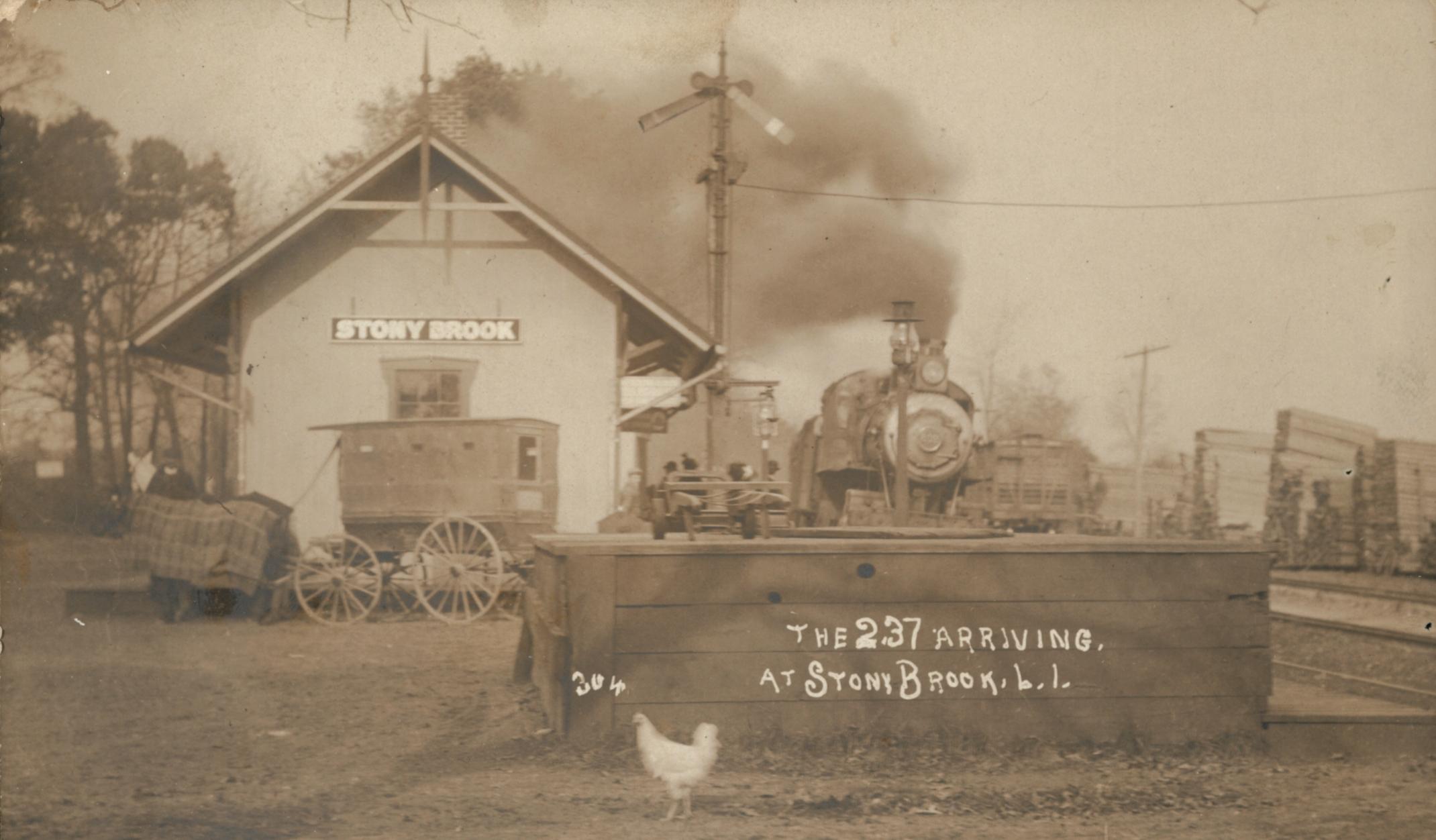
Robert M. Emery Long Island Rail Road Collection
Stony Brook Station, Stony Brook, New York
Photograph; circa 1905.
Sepia-toned photograph attributed to Arthur S. Greene showing the arrival of the 2:37pm
train at the Stony Brook depot.
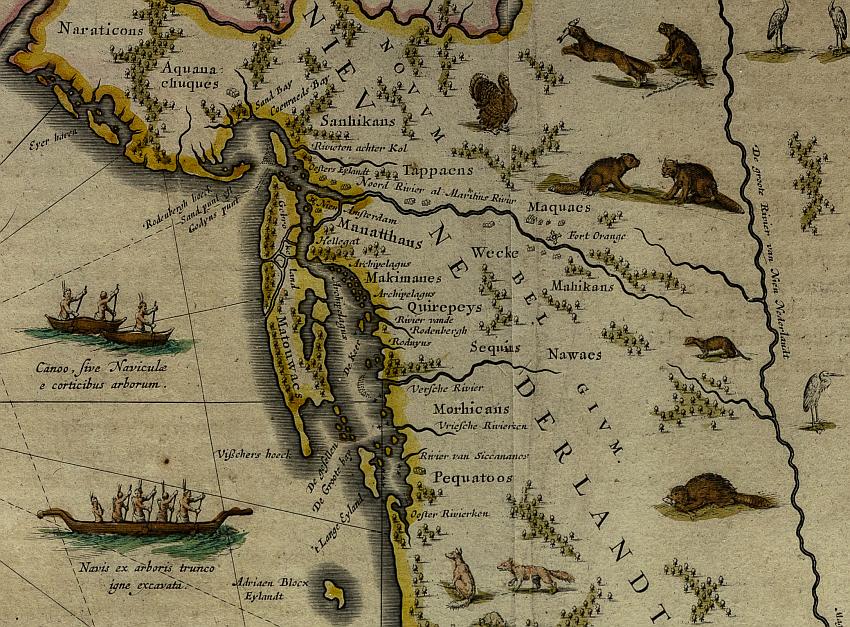
Nova Belgica et Anglia Nova
Map; Willem Janszoon Blaeu [Amsterdam: Blaeu, 1640?].
This map of New Netherland and New England reflects the Dutch perspective on early explorations. Long Island has been given the place name “Matowacs.” Several other important place names make their first cartographical appearances: Manhates
(Manhattan), Hellegat (Hell Gate), and Adrian Blocks eylandt (Block Island).
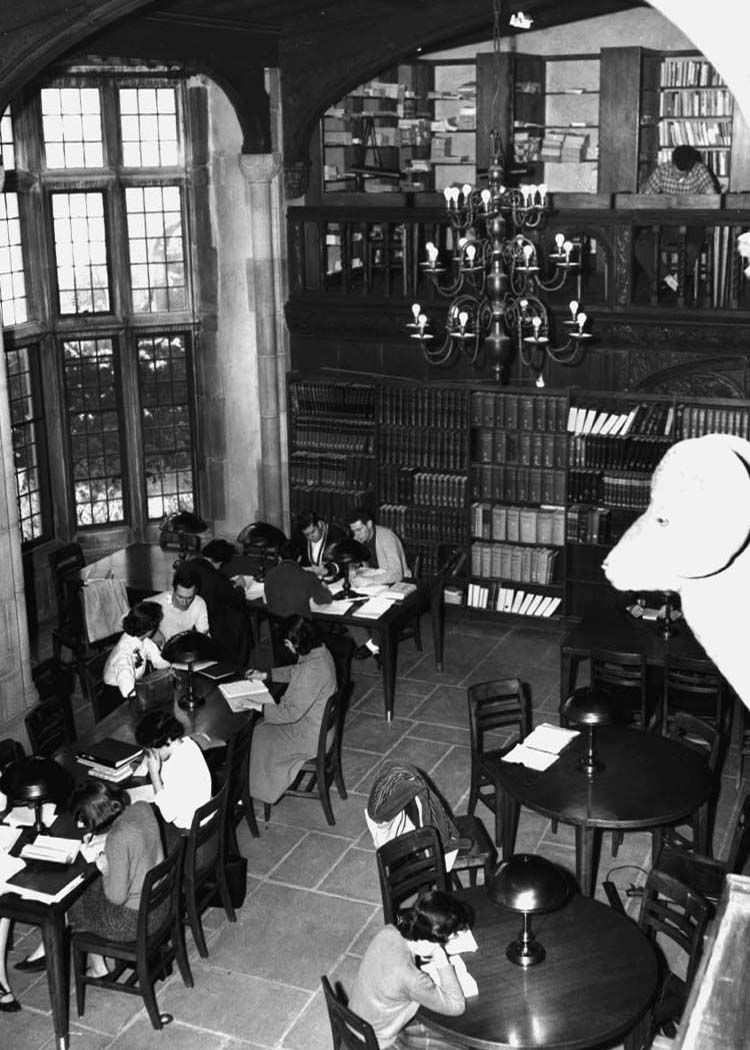
Main floor of Coe Hall at Planting Fields, Oyster Bay, New York.
Photograph; circa 1959.
Coe Hall, the main building at Stony Brook University’s first campus in Oyster Bay consisted of a dining hall, a coffee shop, a lounge, a library, and the “great hall.”
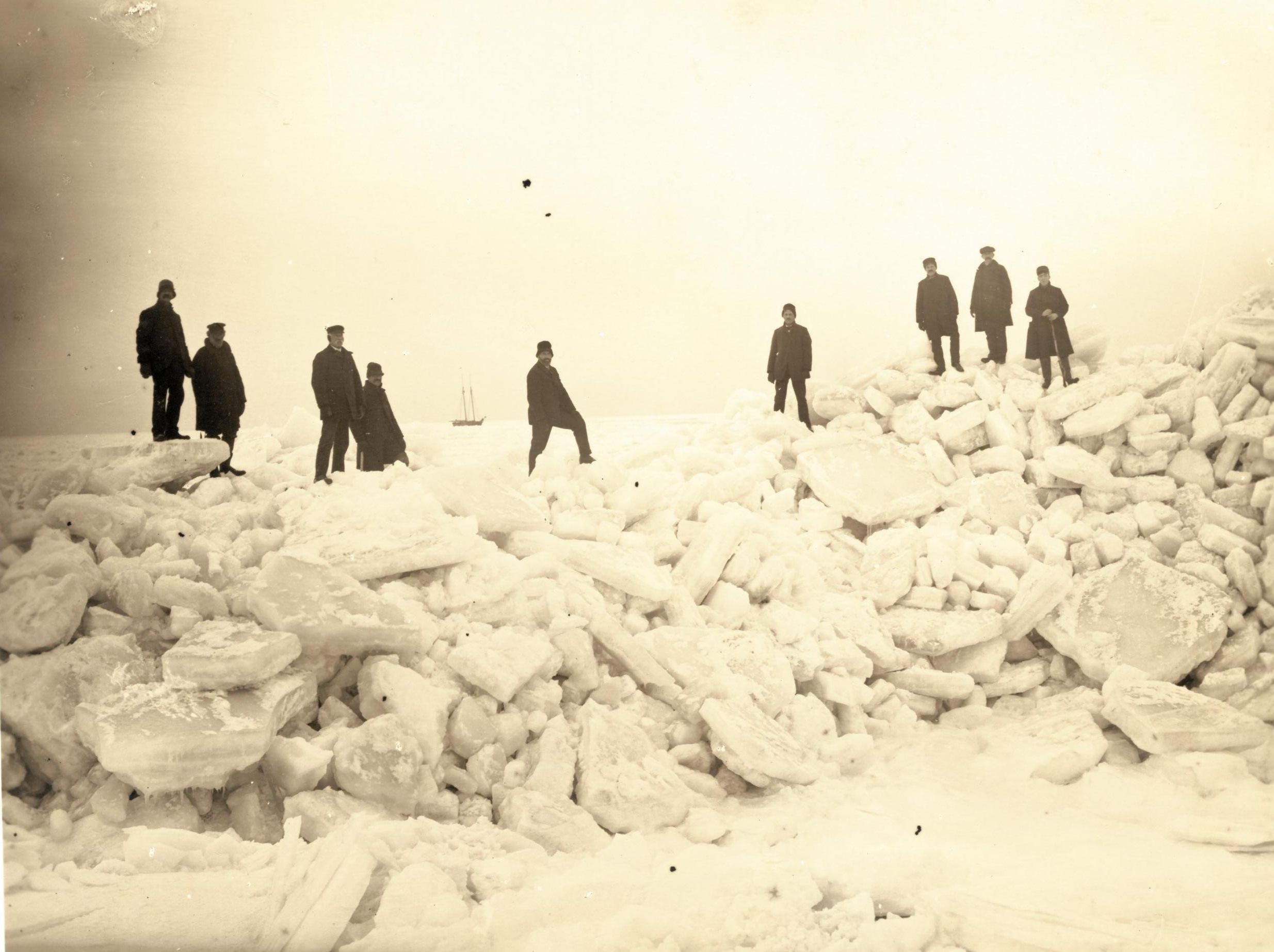
The Emory Payson and Jean Wilcox Tuttle Estate Collection
Old Field Point, New York.
Photograph; February 4, 1902.
Schooner "John Crockford” abandoned in ice on the Long Island Sound three miles off of Old Field
Point, New York.
Photograph by Byron W. Hallock.
Gift of the Tuttle Family.
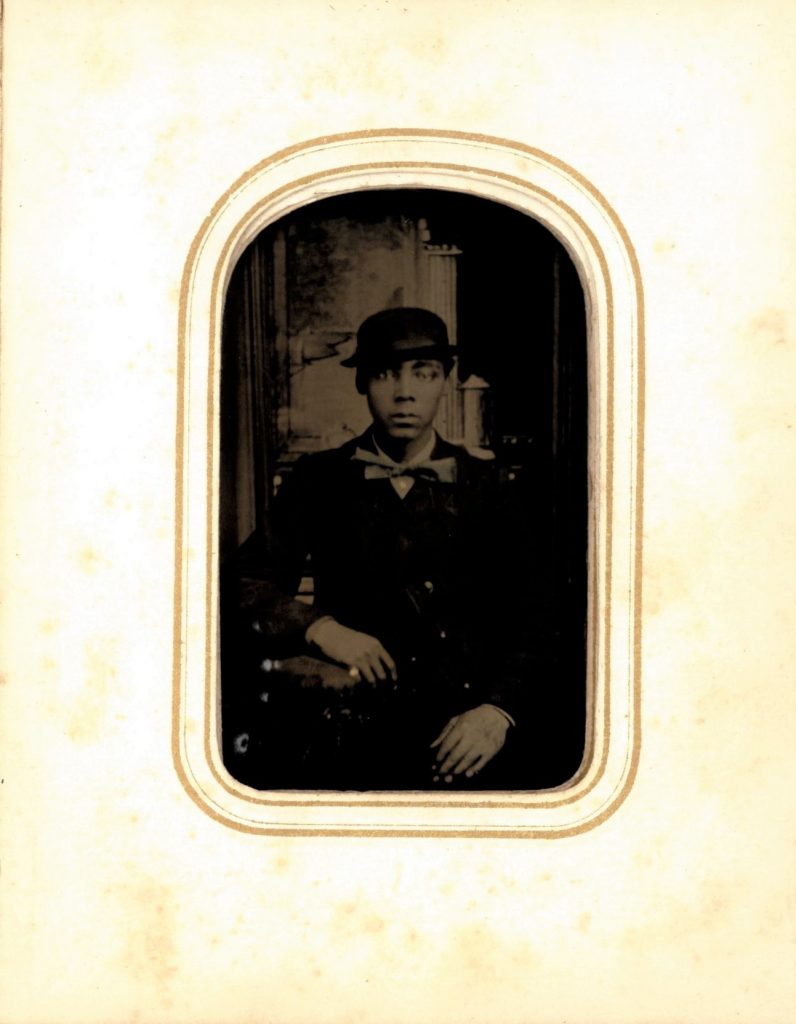
Tintypes and Portraits Collection
This collection offers a glimpse into the lives of African Americans during the post-Civil
War era, a period often underrepresented in historical documentation. Tintypes, popular
from the mid-19th century, were affordable and accessible, making them a common medium
for personal portraits.