
Bachelor of Science in Mass Communication
Effective communication brings us together and drives progress
We’re living in an ever-changing, high-tech, communication-centered society. A nuanced
understanding of Mass Communication is essential for navigating that world. Our program
provides students with a deep appreciation of the importance and influence of media
and how it shapes our connections in everyday life. Students will be introduced to
media history and will gain critical skills in news and media literacy and analysis,
media law and ethics, and writing and storytelling for mass audiences. They will take
deep dives into media criticism and mass communication theory and research methods.
Along the way, students will become effective communicators with the insights, skills
and knowledge that complement many academic fields or professions and will be ready
for a range of dynamic careers or graduate studies.
Learn More About the Program
Explore Coursework
Engaging courses and a wide variety of electives to ignite your passions and suit your interests.
Review our course offerings to understand why mass communication makes an ideal second major or minor, and find a plan of study that works for you.
Meet the Faculty
Our faculty are leading experts in the field of journalism and communication.
Areas of expertise include news literacy, broadcast and TV production, narrative journalism, national and international reporting, health and climate reporting, digital media, social inequalities, politics, and solutions journalism.
Communication for real life and real careers
The Bachelor of Science in Mass Communication will prepare you to:
- Understand the impact of media messages on individuals, cultures, economics, and politics.
- Examine the psychological factors underlying mass communication and media-effects theories.
- Practice evidence-based communication strategies in writing and content creation across different platforms and formats.
- Conduct theoretically grounded research and scholarship in the field of mass communication.
- Justify a stance on a topic using well-supported claims, reasoned arguments, proper organization, and sensitivity to the rhetorical situation.
- Interpret meaningful patterns in empirical data to tell accurate, compelling narratives.
- Create a high-quality, professional mass communication project that is grounded in critical thinking skills and research competencies.
Program Director
Irene Virag

Program Requirements and Coursework
Build the skills employers want now:
Clear writing. Smart content. Audience insight. Research fluency. Data interpretation. Strong argumentation. Professional production.
This is a degree for students who want to create messages that are credible, strategic, and designed for the real world.
Advising Information for Current Students
The Department of Communication works closely with Stony Brook's Academic Transfer and Advising Services (ATAS) to ensure a seamless advising experience from admission to graduation. In addition to our undergraduate program director, Irene Virag, a designated ATAS advisor also works with our majors and minors.
General information
All courses require a final grade of C or higher to count toward the major and minor.
Required, elective, and concentration courses counting toward the major, minor, or SBCs are not eligible for G/P/NC. Always consult an advisor when considering the G/P/NC option.
meet with an ATAS advisor
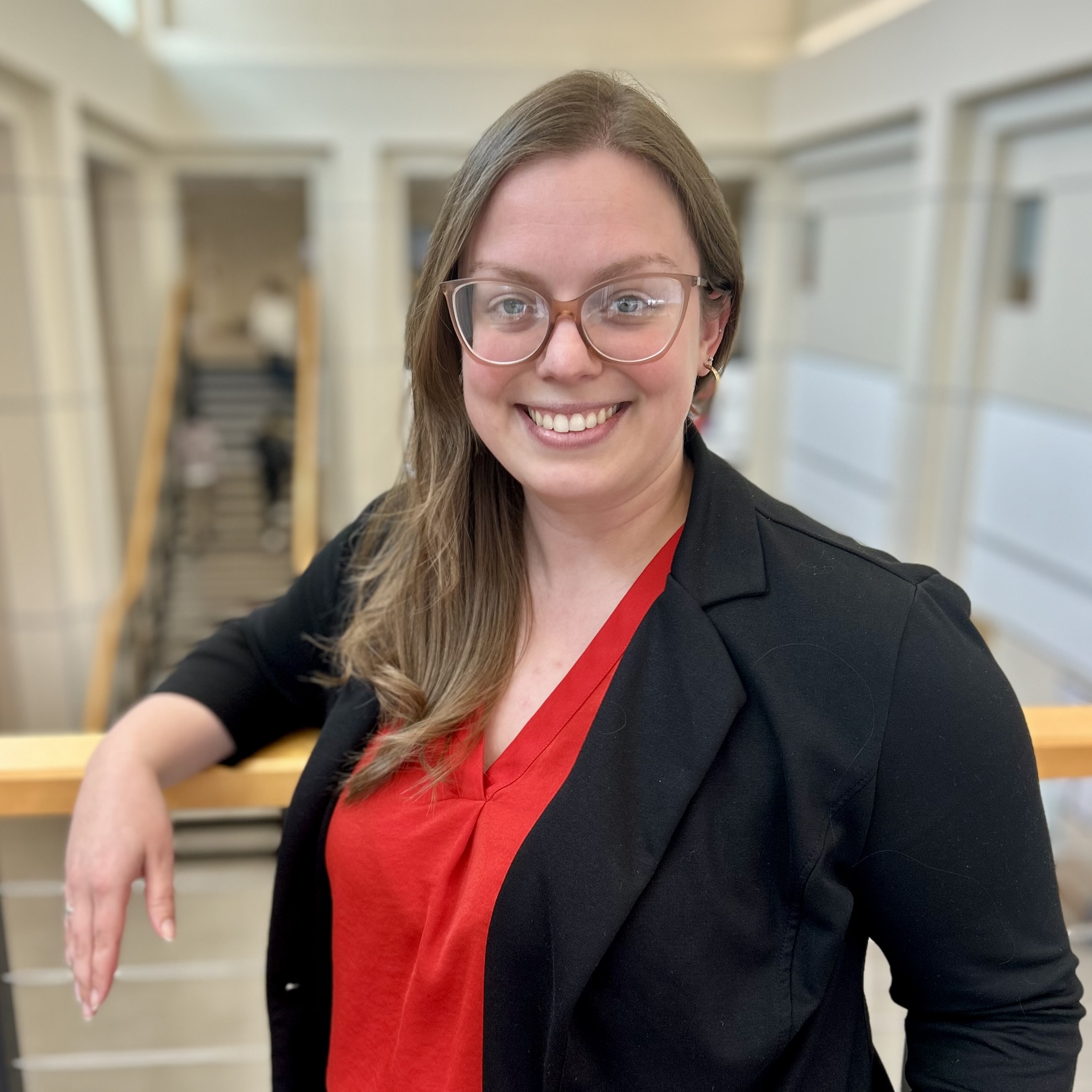
Meghan Sweeney, M.S. Ed
ATAS Lead Academic Advisor
Plan your academic career and select courses for the upcoming semester.
Consider changes to your major, minor, or concentration.
Drop or withdraw from courses.
Seek assistance when facing major academic, personal, family, or medical issues, including Academic Judiciary proceedings.
transfer students
Only courses that have been reviewed and approved by the university can be evaluated for credit in your major or minor.
To find out if your courses qualify, or to submit your course for evaluation, please visit the Academic Transfer and Advising Services (ATAS) Transfer Credit Information page.
Advising Questions
Please submit your advising and/or registration inquiry below before scheduling an appointment. Please note that not all inquiries require an advising appointment and may be handled via email. An advising team member will follow up with you about next steps.
Complete the Advising Inquiry Form
Advising Appointments
Should you require an in-person or virtual advising appointment, sessions with flexible meeting days and times are available through Navigate. Drop-in sessions are also available during the fall and spring semesters at the School of Communication and Journalism Student Services Center located on the fourth floor of the Melville Library, Suite N4016. Drop-in hours vary by semester.
Additional Resources